
Between 2024 and 2026, numerous changes were made to the taxonomy and phylogenetic relationships of plant species. Studies and revisions, increasingly based on genetics, continue to offer new insights into plant phylogeny. In some cases, these revisions involve changes within the same genus, but sometimes they revolutionize entire families. One such family, Combretaceae, comprising tropical and subtropical species, now integrates Anogeissus into Terminalia, and texts and keys have been revised. Polygalace has also undergone a significant change: of the six species previously classified in Polygala, three have been moved to the genus Chamaebuxus, including the largest and most woody, now named Chamaebuxus balansae. In Fabaceae, there have been several minor changes and one major one: all species previously classified in the genus Dorycnium have been moved to the genus Lotus.
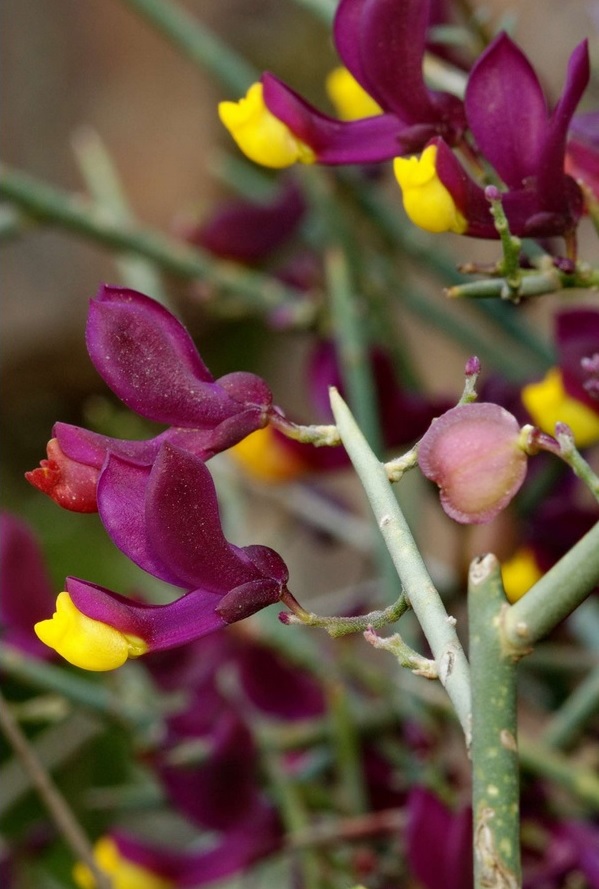
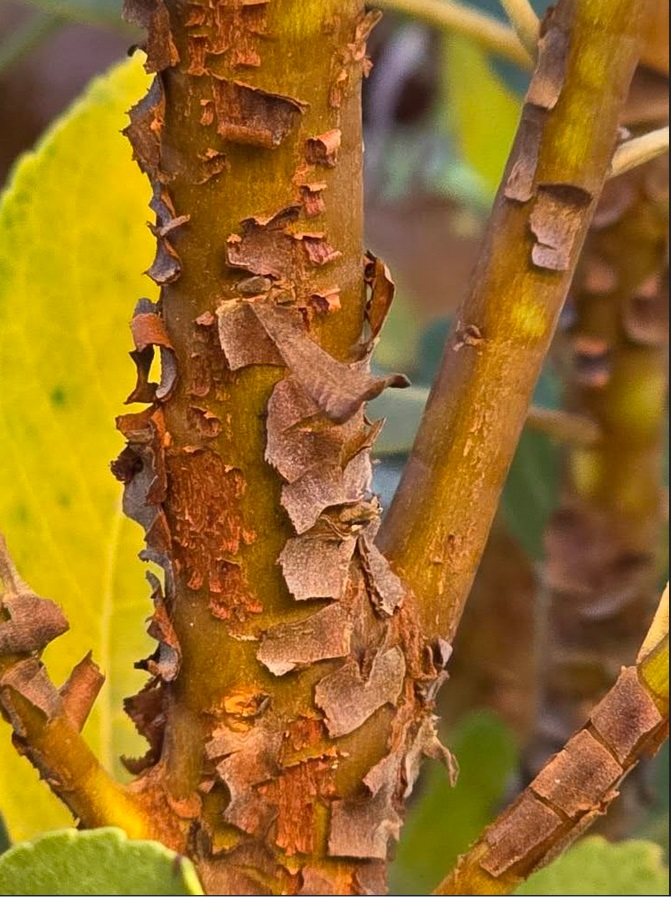
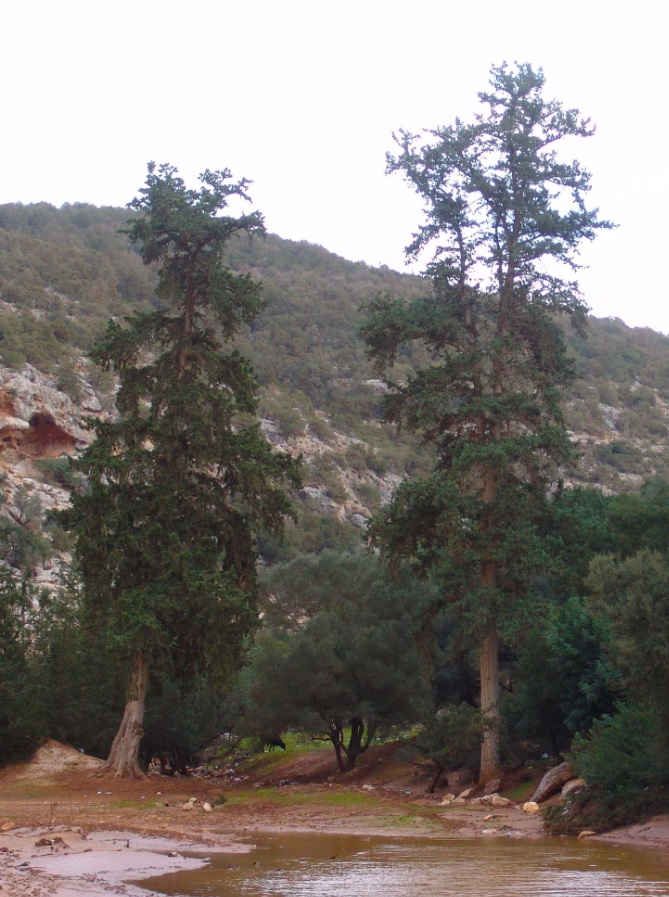
One of the reasons for these and other taxonomic updates has been the literature review that each author responsible for the species descriptions has carried out for the book Native Trees and Shrubs of North Africa. It has been published in Spanish, but the intention is, if funding is secured, to produce at least one more edition in another language.
Further updates and improvements to the website have been made possible in part thanks to new contributors, such as Gustave Gintzburger and Naser Alhasy, who are providing valuable information and, so far, more than 70 photographs of Libyan plants. Some are as important as those of Arbutus pavarii, an endemic species of Cyrenaica, of which there were no images on the site before.
Also noteworthy among the updates is one of the most complex and important aspects of this website: biogeography. For the past two years, we have been working intensively on species distribution maps. After a thorough review and the incorporation of new information, a total of 146 maps have been corrected, updated, and/or added. The maps on the website are now much more realistic, but they cannot yet be considered definitive. As new data on species distribution areas become available, the maps will continue to be redrawn to keep the website as up-to-date as possible.